

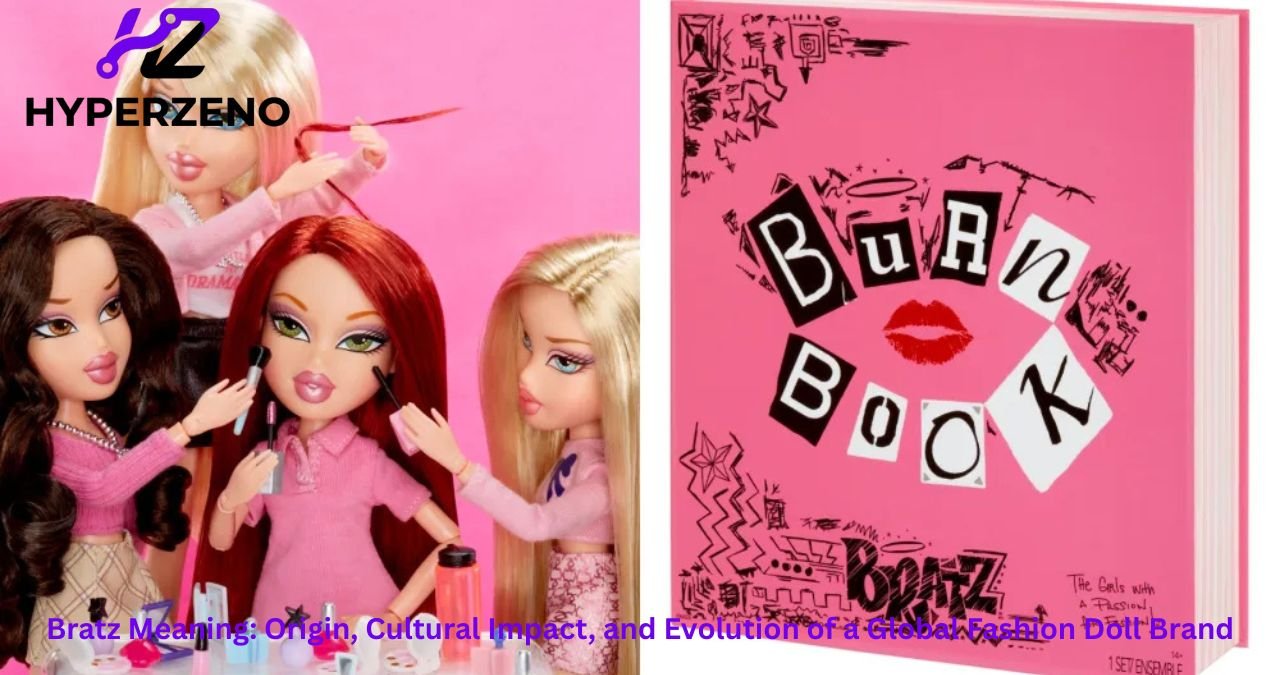
The term “Bratz meaning” refers not only to the literal definition of the word “Bratz,” but also to the cultural identity, branding philosophy, and social influence behind the globally popular Bratz doll franchise. Since its launch in the early 2000s, Bratz has become more than just a toy line—it has evolved into a symbol of bold fashion, individuality, and youth expression.
Understanding the meaning of Bratz requires exploring its origins, design philosophy, cultural reception, and how it differs from traditional doll brands. Over time, Bratz has shaped conversations about style, identity, and representation in the toy industry.
The Origin of the Word “Bratz”
The word “Bratz” is a stylized spelling of the informal English word “brats,” which typically refers to mischievous or spoiled children. However, in the context of the brand, the meaning is intentionally redefined.
Instead of focusing on negative behavior, the creators of Bratz used the name to represent attitude, confidence, and bold self-expression. The altered spelling with a “z” at the end gives the word a more modern, edgy, and fashion-oriented identity.
So, the meaning of Bratz in branding terms is less about misbehavior and more about:
- Confidence
- Individuality
- Fashion-forward attitude
- Self-expression
This reinterpretation helped the brand stand out in a competitive toy market.
The Launch of Bratz Dolls
Bratz dolls were first introduced in 2001 by MGA Entertainment. At the time, the toy industry was dominated by traditional fashion dolls that emphasized classic beauty standards and elegant styling.
Bratz took a completely different approach. The dolls were designed with:
- Large expressive eyes
- Full lips
- Trendy, urban-inspired fashion
- Distinct personalities
Each doll had a unique style and identity, which allowed children to choose characters that reflected different personalities and fashion preferences.
The introduction of Bratz marked a shift in how fashion dolls were perceived. Instead of focusing solely on perfection, Bratz embraced diversity in style and attitude.
The Cultural Meaning of Bratz
The cultural meaning of Bratz goes beyond toys. It represents a shift in how youth culture views fashion and identity.
Bratz dolls became symbols of:
1. Self-Expression
Bratz encouraged kids and teens to express themselves through fashion and personality. Each doll had a distinct style that reflected individuality.
2. Diversity in Style
Unlike traditional dolls that followed a single aesthetic, Bratz introduced multiple fashion identities—from edgy streetwear to glamorous looks.
3. Confidence and Attitude
The brand promoted a “fearless” attitude, encouraging confidence and bold self-presentation.
Over time, Bratz became associated with a generation that valued uniqueness over conformity.
Bratz vs Traditional Fashion Dolls
To understand the meaning of Bratz more clearly, it is helpful to compare it with traditional fashion dolls like Barbie.
While Barbie traditionally represented elegance, career aspirations, and a polished lifestyle, Bratz focused more on:
- Street-style fashion
- Urban culture influence
- Youth rebellion and attitude
- Strong personality-driven characters
This contrast made Bratz appealing to audiences who wanted something different from conventional doll imagery.
The rivalry between Bratz and other doll brands also helped shape discussions about beauty standards and representation in toys.
Fashion Influence of Bratz
One of the strongest aspects of Bratz is its influence on fashion. The dolls were known for wearing bold outfits that reflected real-world trends, often inspired by pop culture, music, and street fashion.
Bratz characters wore:
- Crop tops and oversized jackets
- Platform boots and stylish accessories
- Bright colors and experimental combinations
- Makeup-heavy, expressive looks
This fashion-forward identity made Bratz not just a toy, but also a reflection of youth fashion trends.
Many fans appreciated how Bratz mirrored real-world street style more closely than other doll brands.
Pop Culture Impact
Bratz quickly became a pop culture phenomenon in the early 2000s. The brand expanded beyond dolls into:
- Animated TV shows
- Movies
- Video games
- Fashion accessories
- Clothing lines
This expansion helped strengthen the meaning of Bratz as a lifestyle brand rather than just a toy line.
The animated series, in particular, gave personality and depth to the characters, making them more relatable to audiences.
The Meaning of Bratz in Modern Context
Today, the meaning of Bratz has evolved even further. It is no longer just about dolls—it has become a symbol of nostalgic Y2K culture and modern fashion revival.
In recent years, Bratz has experienced a comeback due to:
- Social media nostalgia trends
- Y2K fashion revival
- Influencer culture
- Online fan communities
Many young adults who grew up with Bratz now revisit the brand as part of nostalgic fashion culture.
On platforms like Instagram and TikTok, Bratz-inspired makeup looks, outfits, and aesthetics are widely shared, showing how the brand continues to influence modern beauty standards.
Psychological Appeal of Bratz
The meaning of Bratz also connects to psychology, especially in terms of identity development.
Children and teenagers often use dolls and characters to explore personality traits and social roles. Bratz dolls, with their strong identities and bold styles, allow users to explore:
- Confidence
- Fashion identity
- Social expression
- Creativity
This makes Bratz more than entertainment—it becomes a tool for imagination and self-discovery.
Controversies and Discussions
Like many influential brands, Bratz has also faced criticism and debate. Some concerns have included:
- Unrealistic body proportions
- Heavy makeup aesthetics
- Mature fashion styles for young audiences
These discussions have contributed to broader conversations about representation in toys and media.
However, supporters argue that Bratz promotes individuality and self-expression rather than conformity.
The Evolution of Bratz Identity
Over time, Bratz has adapted to changing cultural expectations. Modern versions of the brand have become more inclusive and diverse, reflecting shifts in social awareness and fashion trends.
Today, Bratz continues to evolve while maintaining its core identity:
- Bold fashion
- Strong personality focus
- Creative self-expression
- Cultural relevance
This evolution shows how the meaning of Bratz has expanded rather than disappeared.
Conclusion
The meaning of Bratz goes far beyond its literal interpretation. While the word originates from a stylized version of “brats,” its true significance lies in its cultural identity as a fashion-forward, attitude-driven brand.
Bratz represents confidence, individuality, and creative expression. It challenged traditional ideas of fashion dolls and introduced a new aesthetic that resonated with youth culture worldwide.
From its early 2000s success to its modern-day nostalgic revival, Bratz continues to influence fashion, media, and digital culture. Its meaning has evolved over time, but its core message remains the same: be bold, be unique, and express yourself without limits.